Wine Lover Embroidery Design Review
When I sit down to review a new digital embroidery file, my first instinct is usually skepticism. The market is flooded with thousands of designs that look great on a screen but fall apart under the needle. That is why I take a practical, hands-on approach when evaluating assets like Wine Lover. As a designer who frequently creates custom apparel and handmade products for small businesses, I need more than just a pretty image; I need a reliable machine embroidery design that translates well into a tangible finished product.
I recently pulled Wine Lover from its category in Crafts and Graphics to test it against some common real-world scenarios. This isn't about whether the vector looks good in Photoshop; it is about how this embroidery file behaves when you are stitching out a tote bag design for an Etsy shop or preparing a personalized gift for a client. Here is my honest breakdown of what makes this design work, where it shines, and where you might want to proceed with caution.
First Impressions and Visual Personality
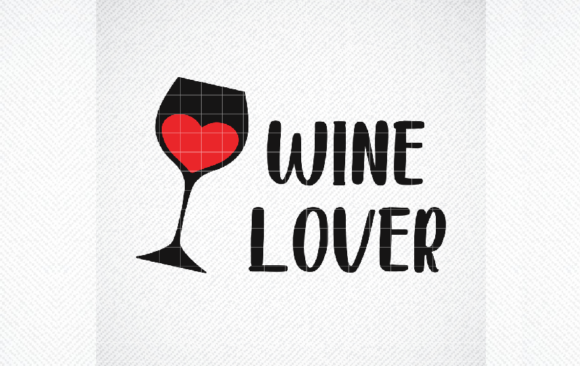
The moment you open the file, the mood is immediately established. Wine Lover carries a distinct personality that balances casual fun with a touch of sophistication. It is not overly ornate, which is a relief. Too often, wine-themed designs get cluttered with excessive grapes, leaves, or corkscrews that turn into a tangled mess during digitizing. Wine Lover avoids this trap by focusing on clean lines and a strong central motif. Whether it features a stylized glass or a playful quote, the layout feels balanced and intentional.
This balance is crucial for brand consistency if you are using these designs for a boutique line. A design that is too busy can look cheap when stitched on a mass-produced item, whereas a cleaner aesthetic suggests higher quality. The visual weight of Wine Lover sits comfortably in the middle—it is noticeable without being overwhelming. This makes it versatile enough for various applications, from sweatshirt embroidery to delicate baby embroidery items, provided you adjust your thread choices wisely.
Real-World Application: The Custom Tote Scenario
To truly understand how a design performs, I always imagine a specific project. Let’s say I am fulfilling a custom order for a local book club that wants embroidered tote bags as party favors. They choose Wine Lover because it fits their theme perfectly. In this scenario, the design needs to withstand frequent washing, maintain its shape, and look professional even after hours of use.
On a canvas tote, Wine Lover holds up exceptionally well. The sturdy fabric provides a stable base, allowing the stitches to lay flat and crisp. If the design includes a satin stitch outline around the wine glass or text, it adds a nice definition that pops against the natural or colored canvas. For a small business owner, this means less time spent fixing mistakes and more time packaging orders. The design’s simplicity also makes it easier to place correctly on the bag, ensuring symmetry and a polished look that customers appreciate.
However, the same design might behave differently on a kitchen towel or a pillow cover. On a thin cotton tea towel, the density of the fill stitches must be carefully monitored. If the stitch density is too high, the fabric can pucker, ruining the drape of the towel. In such cases, Wine Lover might require a lighter stabilizer or a reduction in fill density to ensure the final product remains soft and functional.
Performance Across Different Garments and Accessories
Versatility is key for digital product sellers and Etsy sellers who want their files to appeal to a wide range of crafters. Wine Lover fits naturally into several categories:
- Custom Apparel: On a crewneck sweatshirt or a high-quality t-shirt, the design adds a layer of texture that prints cannot replicate. The tactile nature of embroidery elevates the perceived value of the garment, making it a better candidate for a premium price point.
- Holiday Gifts: With themes like Valentine’s Day or Christmas, wine-related motifs are perennial favorites. Wine Lover works beautifully as part of a set—perhaps paired with matching coasters or mugs. The design’s charm makes it highly giftable, which drives engagement on social media platforms.
- Baby Items: While wine itself isn’t for babies, the aesthetic can be adapted. Using pastel threads and placing the design on a onesie or burp cloth (as a humorous "mommy's wine" joke) can be a hit. However, care must be taken to ensure the design is small enough and uses soft stitches so it doesn’t irritate sensitive skin.
- Embroidered Patches: If Wine Lover is formatted as an applique design or has a clean border, it can be easily turned into a patch for denim jackets or backpacks. This expands its utility beyond home decor into fashion accessories.
Where Caution Is Required
No design is perfect for every situation. There are specific constraints where Wine Lover might struggle if not handled correctly. First, consider hoop size. If the design is large, it may require multiple hooping positions, which increases the risk of misalignment. Always check the dimensions before committing to a large project.
Textured fabrics present another challenge. Stitching on a chunky knit sweater or a rough burlap sack can cause the needle to skip or the thread to break. For these materials, a stabilizer is non-negotiable. Additionally, dark fabrics demand high-contrast thread colors. If Wine Lover relies on subtle shading or light-colored fills, it may disappear on a black garment unless you use metallic or bright accent threads.
Small details are also a potential pitfall. If the design includes tiny lettering or intricate decorative accents, test it on scrap fabric first. On a cap or hat, curved surfaces can distort circular elements, so you may need to adjust the placement or scale. Furthermore, if you plan to sell finished items, remember that products requiring frequent washing need durable stitching. Loose ends or weak anchor points will lead to customer complaints.
Practical Designer Notes for Best Results
Before you start stitching, there are several steps you should take to ensure success. First, inspect the file structure. Look for unnecessary trims or inefficient pathing that could increase run time. Second, experiment with thread colors. Don’t stick to the default palette; try contrasting combinations to see how they affect the overall mood. For example, a deep burgundy thread on a cream background creates a classic look, while white on black offers modern contrast.
Always test in black and white mockups to check the visual balance. Sometimes, color can hide poor spacing or uneven density. Use a proper stabilizer that matches your fabric type—cut-away for stretchy knits and tear-away for wovens. If you are unsure about the licensing terms for commercial use, verify them before listing your handmade product on any marketplace. Clear communication with your buyers about care instructions also builds trust and reduces returns.
Final Verdict
Wine Lover is a solid addition to any embroidery library. It strikes a good balance between artistic flair and technical feasibility. It is particularly well-suited for craft business owners looking to create cohesive collections of home decor and custom apparel. By paying attention to fabric choice, thread selection, and stabilization, you can transform this digital asset into a high-quality physical product that customers will love.
Whether you are designing for yourself or building a brand, Wine Lover offers the flexibility and charm needed to stand out. Just remember to test thoroughly, respect the limitations of your machine and materials, and always prioritize the end-user experience. When done right, embroidery is not just decoration; it is a statement of quality and care.