Bee Happy Embroidery Design Review
As a designer who spends half her life staring at stitch charts and the other half worrying about thread tension, I don’t just buy digital files—I evaluate them. When a new design drops in the Crafts category under Graphics, my first question is always practical: will this actually look good when it’s stitched out on a real garment? Today, I’m putting the Bee Happy design through its paces. This file, often marketed as a Bumble Bee SVG or Quote SVG for sublimation, claims versatility across t-shirts, mugs, and bags. But does it hold up when we move from screen to needle?
The First Impression: Mood and Visual Personality
The name Bee Happy sets a specific tone immediately. It isn’t trying to be edgy, minimalist, or high-fashion. Instead, it leans into warmth, approachability, and a touch of rustic charm. From a design perspective, this is a smart choice for the current market. We are seeing a shift away from stark, geometric typography toward designs that feel handcrafted and organic.
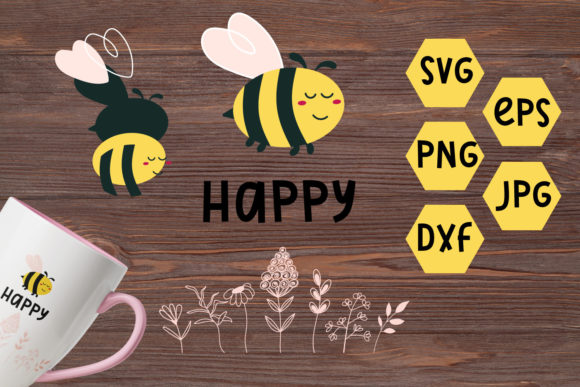
Visually, the layout appears balanced. The combination of the bee motif with the accompanying quote suggests a layered composition. In embroidery terms, this means you have opportunities to play with texture. If the file includes distinct layers for the bee and the text, you can separate them to create depth. The "Bee Happy" concept naturally evokes feelings of positivity and spring, making it an excellent candidate for products that aim to uplift the wearer or recipient. It feels less like a logo and more like a statement piece—perfect for a boutique brand that wants to convey friendliness and care.
Real-World Application: Where Does It Shine?
I’ve been thinking about how to use this machine embroidery design in my own workflow, and one scenario stands out clearly: custom embroidered tote bags for small business owners. Imagine a craft fair booth where every shopper receives a tote bag featuring this design. The cheerful theme reinforces the positive energy of the event. Because the design is likely centered and bold, it translates well to the large canvas of a cotton canvas tote. The contrast between the fabric texture and the smooth threads of the stitch density would create a tactile experience that customers love.
Another strong use case is sweatshirt embroidery for the colder months. While bees are associated with summer, a "Bee Happy" sentiment works year-round as a mood booster. On a heather grey or cream sweatshirt, the design would pop without feeling out of season. It also fits seamlessly into the personalized gift market. Think of a graduation gift for a teacher or a nurse—professionals who need a little extra encouragement. The design is professional enough for a workplace but cute enough for personal wear.
For Etsy sellers and small shop product creators, this design offers flexibility. It can serve as a standalone embroidered patch if the hoop size allows, or it can be integrated into larger compositions. The versatility extends to kitchen towel designs as well. A simple hemmed tea towel with this design adds a farmhouse-chic vibe to any kitchen, appealing to buyers who value both aesthetics and function.
Technical Considerations and Potential Pitfalls
No design is perfect, and Bee Happy has areas that require careful attention during digitizing and stitching. The primary concern is scale. Bees are small creatures, and their details—wings, stripes, antennae—can get lost if the hoop size is too small. If you attempt to stitch this in a tiny 4x4 hoop, the wings might become indistinguishable blobs of color. I recommend using a medium to large hoop to ensure the bee retains its character.
Fabric choice is equally critical. This design may struggle on highly textured fabrics like heavy bouclé or loose-weave linen. The needle penetration could cause puckering, especially if the stabilizer isn’t chosen correctly. For stretchy knits, such as those used in custom apparel like t-shirts and caps, you must use a tear-away or cut-away stabilizer depending on the fabric weight. Without proper support, the satin stitch outlines around the bee could distort, making the insect look wobbly rather than crisp.
Dense stitch areas are another point of caution. If the design uses heavy fill stitch for the bee’s body, it might become stiff and uncomfortable against the skin, particularly on baby clothes. For baby embroidery, lighter stitch counts and softer thread placements are preferred. Additionally, dark fabrics require careful thread selection. A light-colored bee on a black background might lack definition unless you use a high-quality, opaque polyester thread or add a contrasting backing layer.
Designer’s Checklist for Success
Before committing to a full production run or selling these items on your platform, follow these practical steps to ensure quality:
- Test on Scrap Fabric: Always stitch a test version on the exact fabric you plan to sell. Check for puckering, thread breaks, and color accuracy.
- Review Stitch Density: Zoom in on the digital preview. Are the running stitch details clear? Is the satin stitch width appropriate for the curve of the bee?
- Check Black and White Mockups: Convert the design to grayscale to see if the contrast holds up. This helps identify areas where colors might blend together unintentionally.
- Confirm Hoop Size: Ensure the design fits comfortably within your machine’s maximum hoop dimensions while leaving enough margin for stable stitching.
- Inspect Small Details: Look closely at the text and fine lines. Will they remain legible after washing? Tiny letters can easily merge if the stitch count is too low.
- Verify Licensing: Since this is a digital embroidery file sold in a ZIP package, double-check the commercial license. Can you sell unlimited finished products? Are there restrictions on resale platforms like Etsy or Amazon Handmade?
Final Verdict: A Solid Choice for Handmade Brands
Overall, Bee Happy is a versatile and emotionally resonant design asset. It succeeds because it taps into a universal desire for positivity, wrapped in a visually appealing package. For craft business owners looking to expand their inventory with affordable, high-perceived-value items, this design delivers. Whether you’re creating holiday embroidery gifts, wedding favors, or everyday apparel decorators stock, this file offers a reliable foundation.
However, success depends on execution. The difference between a mediocre stitch-out and a premium-looking product lies in the details: the right stabilizer, the correct thread tension, and thoughtful fabric pairing. By treating this design with the respect it deserves and testing it thoroughly, you can create finished product offerings that build customer trust and drive sales. It’s not just a bee; it’s an opportunity to connect with your audience through quality craftsmanship.
If you are an experienced maker, you know that the best designs are the ones that make the user smile. Bee Happy achieves exactly that. Just remember to check your stitch density, choose your thread colors wisely, and always prioritize the integrity of the fabric. With these precautions in mind, this design is ready to buzz its way into your next best-selling collection.