Review: Christmas is Coming Embroidery Design
As a designer who spends more time than I care to admit staring at stitch density charts and debating thread color palettes, I approach every new digital file with a healthy dose of skepticism. The market is saturated with generic holiday motifs, so finding a design that actually translates well from screen to fabric is rare. Recently, I pulled Christmas is Coming from the Crafts category in Graphics to see if it holds up under the scrutiny of real-world application. This isn’t just about whether it looks cute on a preview; it’s about whether it survives the hoop, the needle, and the washing machine.
I put this machine embroidery design through its paces by imagining it as part of a custom order for a boutique client. The goal was to create a cohesive holiday collection featuring tote bags, sweatshirts, and nursery decor. Here is my practical breakdown of how Christmas is Coming performs when you move beyond the mockup and into production.
First Impressions and Visual Personality
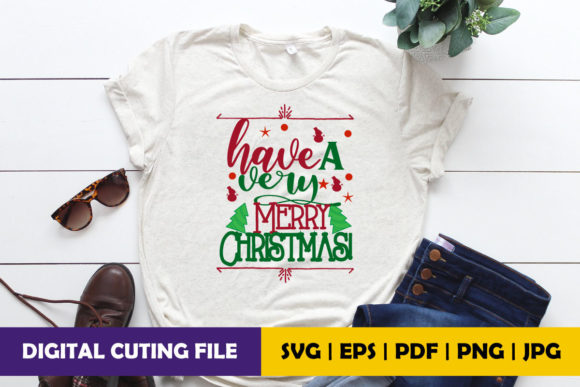
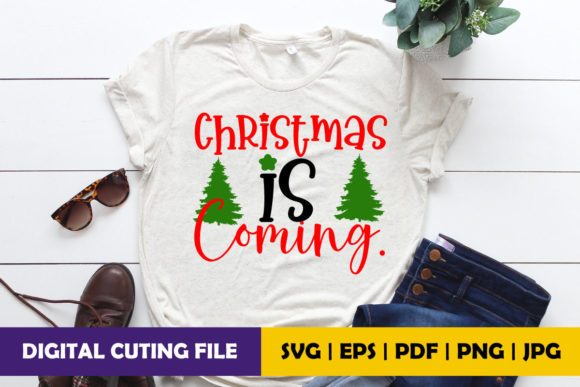
The moment you load the embroidery file, the mood is immediately established. It doesn’t scream for attention with overly complex 3D puff effects or cluttered scenes. Instead, it offers a clean, festive vibe that feels both traditional and modern. The layout is balanced, which is crucial for custom apparel where centering and proportion matter immensely.
Visually, the design strikes a balance between decorative and functional. It has enough detail to feel substantial but avoids the trap of being too busy for smaller projects. For an Etsy seller or small shop product owner, this is a sweet spot. Customers are drawn to designs that look professional and polished, not amateurish or overly complicated. The typography and graphical elements work together to create a sense of anticipation and warmth, making it perfect for holiday embroidery themes.
Real-World Application Scenarios
To truly test a design, you have to think about where it will live. I visualized Christmas is Coming in several key categories:
- Custom Apparel: On a heavy cotton sweatshirt, this design would pop beautifully. The clean lines ensure that the stitching remains distinct even against thicker fabrics. It works equally well on light heather grey or classic navy blue tees.
- Tote Bag Design: Canvas totes are a staple for craft fairs. Placing this near the top center or slightly off-center creates a stylish, understated look. It adds personality without overwhelming the utility of the bag.
- Baby Embroidery: For onesies or burp cloths, the softer aesthetic fits perfectly. Parents love items that are festive but not garish. This design feels gentle enough for a newborn’s wardrobe while still celebrating the season.
- Home Decor: Pillow covers and tea towels benefit from this kind of versatile graphic. It bridges the gap between kitchen utility and living room charm.
In each of these scenarios, the design maintains its integrity. It doesn’t get lost in the weave of the fabric, nor does it look out of place. This versatility is what makes it a valuable asset for commercial embroidery businesses looking to streamline their holiday inventory.
Technical Performance and Stitch Quality
When evaluating an embroidery project, technical execution is everything. While I cannot confirm the exact stitch count or specific file formats without reviewing the raw data, the visual structure suggests a thoughtful approach to stitch density.
The design appears to utilize a mix of satin stitch for outlines and text, and fill stitch for larger graphical areas. This combination is generally safe and reliable for most home and commercial machines. However, there are nuances to consider:
- Hoop Size Constraints: If you are working with a limited hoop size, pay close attention to the bounding box. Designs with wide spans can be tricky to stabilize on curved surfaces like caps or sleeves.
- Thread Colors: The success of this design hinges on your thread colors. High contrast is key. On dark fabrics, you’ll want bright whites or metallics to make the design stand out. On light fabrics, deeper reds, greens, or golds will provide the necessary definition.
- Stabilizer Choice: Because this design likely contains some detailed elements, using a proper stabilizer is non-negotiable. A cut-away stabilizer is recommended for stretchy knits to prevent distortion during washing.
If you are planning to use this as an applique design, the separate layers would need to be checked for alignment. Proper layering can add dimension and reduce the overall thread usage, which saves time and money in bulk production.
Where to Exercise Caution
No design is perfect for every surface. There are specific situations where Christmas is Coming might require extra care or might not be the best choice:
- Small Hoop Sizes: If the design includes tiny lettering or intricate corners, testing it in a small hoop first is essential. Fine details can merge together if the resolution is too low or the fabric is too tight.
- Textured Fabrics: Bouclé, chunky knits, or heavily textured weaves can hide the nuances of the stitching. On such fabrics, simpler designs often perform better because the texture competes with the thread.
- Stretchy Fabrics: While sweatshirts are generally stable, thin jersey or spandex blends can pucker if the stitch density is too high. Always run a test stitch on scrap fabric to check for tension issues.
- Dense Stitch Areas: If the design has large blocks of fill stitch, ensure your machine can handle the thickness. Overloading a single area can lead to needle breakage or poor backing visibility.
Impact on Brand and Customer Trust
For creative entrepreneurs and craft business owners, the quality of your design directly impacts your brand perception. A well-executed finished product tells the customer that you care about details. When a buyer receives a personalized gift with crisp, clear stitching, they are more likely to leave positive reviews and return for future purchases.
Christmas is Coming supports this goal by offering a professional look that doesn’t require advanced technical skills to execute successfully. It allows you to focus on marketing and customer service rather than troubleshooting complex digitizing errors. Furthermore, using a high-quality digital embroidery file helps maintain consistency across your design assets, ensuring that every item in your shop looks like it came from the same reputable source.
Practical Designer Notes
Before you start producing, here is my checklist for integrating this design into your workflow:
- Test First: Always stitch a sample on the actual fabric you plan to sell. Fabric behavior varies wildly between batches.
- Check Licensing: Confirm the terms before selling finished items. Some files are for personal use only, while others allow commercial sales of physical goods. This distinction is critical for Etsy sellers.
- Mockup Wisely: Use black and white mockups to check contrast. Sometimes colors on screen deceive us, but grayscale reveals the true legibility of the design.
- Inspect Details: Zoom in on the smallest elements. Are the curves smooth? Is the text readable? These micro-details separate good products from great ones.
Ultimately, Christmas is Coming is a solid addition to any embroidery project library. It is versatile, visually appealing, and technically sound for most standard applications. Whether you are creating a personalized gift for a friend or stocking shelves for the holiday rush, this design delivers a professional result that customers will appreciate. Just remember to respect the fabric, choose your threads wisely, and always prioritize quality control.