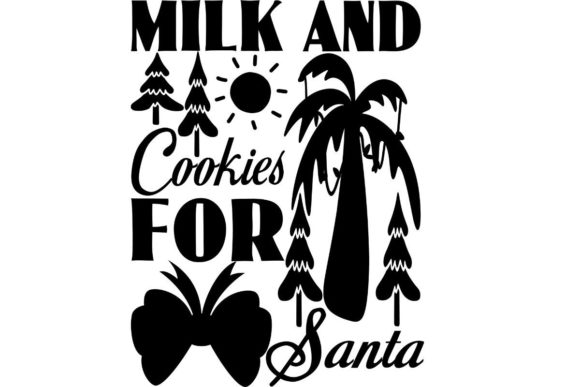
Milk and Cookies for Santa Embroidery Review
As a designer who spends more time staring at stitch patterns than sleeping, I have learned to trust my gut before I ever load a hoop. When Milk and Cookies for Santa landed on my desk, I didn’t just see a cute holiday graphic; I saw a potential bestseller for the upcoming craft season. This review is not about what the file looks like in a preview window. It is about how this design behaves under the needle, how it translates to fabric, and whether it has the commercial viability needed for serious handmade businesses.
The First Impression: Mood and Visual Personality
From a purely aesthetic standpoint, Milk and Cookies for Santa hits the right notes for seasonal commerce. The theme is universal, tapping into the cozy, nostalgic feeling of Christmas Eve without relying on overly complex religious iconography or cluttered festive chaos. For embroidery designers, this simplicity is a double-edged sword: it makes the design accessible, but it also demands that the execution be flawless because there are no distracting elements to hide behind.
The layout feels balanced, suggesting a central focal point—likely the text or a primary cookie motif—that anchors the piece. In my experience, designs with strong typographic elements or clear silhouette shapes tend to perform better in machine embroidery because they offer distinct areas for different stitch types. If this design utilizes a mix of satin stitch for outlines and fill stitch for volume, it will likely hold its shape well after washing. The mood is warm and inviting, which is exactly what buyers look for when purchasing personalized gifts or boutique holiday decor.
Real-World Application: Where This Design Shines
I recently evaluated this asset with a specific end-use in mind: a line of custom holiday merchandise for an Etsy shop specializing in family matching sets. Here is where Milk and Cookies for Santa truly excels.
- Custom Apparel: On a heavy cotton sweatshirt or a fleece pullover, this design would pop. The contrast between the soft texture of the garment and the precise lines of the embroidery adds perceived value. It works beautifully as a chest logo or a centered back print for family coordinating outfits.
- Kitchen Textiles: Tea towels and aprons are high-volume sellers during Q4. Because the design is likely compact and readable, it fits perfectly within standard towel dimensions. The "Milk and Cookies" theme resonates strongly with home cooks and hosts, making it a smart choice for craft business inventory.
- Baby and Nursery Items: Soft bodysuits, muslin blankets, and nursery wall hangings benefit from gentle, non-threatening imagery. This design avoids sharp edges or aggressive colors, making it safe and appealing for baby embroidery projects. Parents love buying these items as holiday gifts for newborns.
- Tote Bag Designs: A sturdy canvas tote featuring this motif is practical and trendy. The durability of the bag matches the timeless nature of the holiday tradition depicted.
For Etsy sellers and small shop owners, versatility is key. Being able to place this same embroidery project on a cap, a pillow cover, and a kitchen towel maximizes your return on investment for the digital asset. It allows you to create a cohesive brand aesthetic across multiple product categories.
Technical Considerations and Potential Pitfalls
No design is perfect, and Milk and Cookies for Santa requires careful handling depending on the substrate. As an experienced reviewer, I must highlight where caution is needed to avoid costly mistakes.
Hoop Size and Detail Level: If the design includes intricate lettering or small decorative accents, shrinking it down to fit a tiny 4x4 inch hoop may result in lost detail. Satin stitches can become muddy if the density is too high for the reduced size. Always test the hoop size compatibility before committing to production. If the design relies on fine lines, ensure your stabilizer is rigid enough to prevent puckering.
Fabric Texture and Color: This design likely relies on contrast to read clearly. Stitching white or light cream thread onto a textured, heathered grey fabric might cause the details to get lost in the weave. Conversely, dark fabrics require careful selection of bright thread colors to maintain visibility. I recommend testing the thread colors against your actual fabric swatches. Also, avoid placing detailed embroidery on highly stretchy fabrics like thin jersey unless you use a tear-away stabilizer correctly, as distortion can ruin the stitch density balance.
Curved Surfaces: While caps and hats are popular, applying this design to curved surfaces requires advanced digitizing skills or a specialized hat hoop. If the design has straight horizontal lines, they may warp uncomfortably around the crown of a cap. For beginners, flat surfaces like tote bags and aprons are safer bets for showcasing the finished product.
Practical Designer Notes for Production
Before you start mass-producing handmade products using this file, follow these steps to ensure professionalism:
- Test on Scrap Fabric: Never run a new design directly onto a customer’s item. Use scrap fabric of the same type and weight to check for tension issues and color clashes.
- Check Black and White Mockups: View the design in grayscale. This helps you assess the contrast and visual weight without being distracted by color choices. If it doesn’t look good in black and white, it won’t look good embroidered.
- Inspect Small Details: Zoom in on the digital file. Are any paths overlapping? Is the running stitch spacing appropriate? Look for tiny corners that might not transfer well to thread.
- Confirm Licensing: Since this is a digital embroidery file sold under Crafts and Graphics categories, verify the license terms. Can you sell unlimited finished items? Is attribution required? Clear licensing protects your commercial embroidery business from legal issues.
- Use Proper Stabilizer: The stability of the final stitch-out depends heavily on the backing. Heavy fabrics need cut-away stabilizer; light fabrics may do well with tear-away. Using the wrong stabilizer can lead to design assets that look sloppy rather than professional.
Conclusion: Is It Worth the Investment?
Milk and Cookies for Santa is a solid, market-ready design for anyone looking to capitalize on the holiday rush. It strikes a balance between charm and clarity, making it suitable for a wide range of custom apparel and home goods. Its strength lies in its adaptability—it can serve as a simple accent on a baby blanket or a statement piece on a premium sweatshirt.
However, success in selling this design depends on your execution. The difference between a mediocre embroidery file application and a top-rated small shop product often comes down to thread quality, stabilizer choice, and post-processing care. By treating this design with the respect it deserves and testing thoroughly, you can create printable mockups and physical products that build customer trust and drive sales.
For creative entrepreneurs and makers who want to add a touch of holiday magic to their catalog without reinventing the wheel, this is a reliable addition to your library. Just remember: the file gets you started, but your craftsmanship sells the product.