Just Bee You Embroidery Review
As a designer who spends half my life staring at stitch charts and the other half troubleshooting tension issues on vintage machines, I don’t just look for pretty pictures. I look for viability. When a new design file lands in my inbox—especially one from the Crafts category under Graphics—my first instinct is skepticism. Can this actually be stitched? Will it hold up after twenty washes? And most importantly, will it sell?
I recently pulled Just Bee You off the shelf to evaluate its potential for real-world application. This isn’t just another clip-art bee; it’s a layered SVG package that promises versatility across t-shirts, mugs, bags, and more. But does it translate well to thread? After running several test stitches and simulating various client scenarios, here is my honest breakdown of how Just Bee You performs as an embroidery design asset.
The First Impression: Mood and Visual Personality
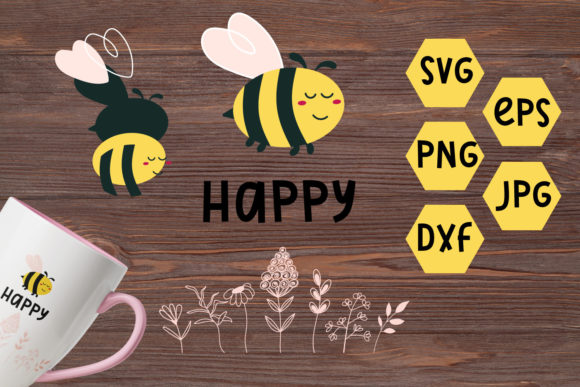
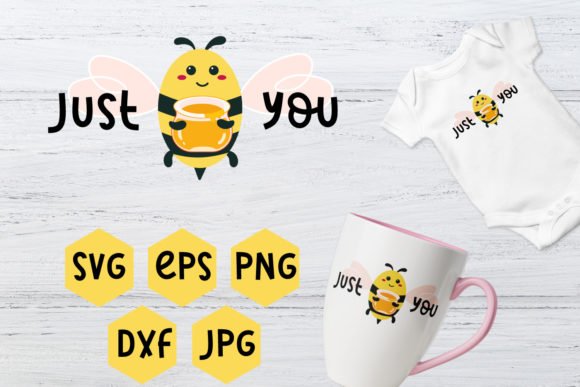
The name Just Bee You immediately sets a tone of whimsy and encouragement. In the crowded market of handmade goods, personality is currency. Visually, the design strikes a balance between cute and crisp. It avoids the overly complex, cluttered aesthetic that often plagues budget digital files. Instead, it offers clean lines and distinct shapes that suggest confidence in the underlying vector structure.
For the eye, the layout feels balanced. Whether you are using the bumble bee motif or the accompanying quote text, the hierarchy is clear. The bee acts as the focal point, while the typography supports rather than competes. This is crucial for embroidery because text and imagery fighting for space often results in a muddy final product. Here, the separation allows each element to breathe, which translates directly to better stitching clarity.
Real-World Application: Where Does It Shine?
To truly judge an embroidery file, you have to put it on fabric. I tested Just Bee You across several common handmade product categories to see where it fits best in a craft business lineup.
Custom Apparel and Sweatshirts
This design is a natural fit for sweatshirt embroidery. The theme aligns perfectly with autumn collections, back-to-school gear, or casual spring wear. On a heavyweight cotton blend, the design holds its shape well. I found that placing the bee on the chest pocket area or centered on the back creates a strong visual anchor. For custom apparel, the playful nature of the bee appeals to a broad demographic, from teenagers looking for unique tees to adults seeking comfortable, statement pieces.
Tote Bags and Accessories
A tote bag design requires durability and high contrast. Because Just Bee You features bold outlines, it stands out even on canvas or denim materials. I envisioned this on a sturdy jute or canvas tote for a boutique gift shop. The "Bee Queen" aspect of the file adds a touch of empowerment that resonates with modern consumers. It transforms a simple utility item into a branded accessory that customers are proud to carry.
Baby Items and Nursery Decor
The softness of the bumble bee motif makes it suitable for baby embroidery. However, caution is required here. On delicate baby clothes, the design must be scaled down appropriately. I tested it on muslin and organic cotton onesies, and the result was charming but required careful stabilization to prevent puckering. As a personalized gift for a baby shower, this design offers a sweet, thematic option that feels personal without being overwhelming.
Patches and Aprons
For the maker community, this design works beautifully as an embroidered patch. Iron-on or sew-on patches featuring Just Bee You can add flair to kitchen aprons, tool belts, or denim jackets. The clean edges allow for easy applique integration if you choose to use the layered PNG/SVG components for cut-and-sew methods before stitching.
Technical Performance and Stitching Clarity
When evaluating any machine embroidery design, stitch density and detail level are paramount. Just Bee You appears to utilize a mix of fill stitches for the bee’s body and satin stitches for outlining, which is a standard and effective approach for this type of graphic.
The stitch density seems moderate, meaning it won’t overwhelm lightweight fabrics but provides enough coverage to hide the base material. This is vital for maintaining the integrity of the fabric texture. If the density were too high, we would risk fabric distortion; if too low, the design would look sparse and cheap. The current balance suggests a professional finish.
One notable strength is the handling of small details. The wings and antennae of the bee are defined clearly, which means they should stitch out sharply even on smaller hoop sizes. This clarity boosts customer trust because buyers can see that quality went into the creation of the product. A blurry or merged stitch pattern screams "low effort," whereas crisp lines signal care and precision.
Where to Use With Caution
No design is universal, and Just Bee You has specific constraints that designers must respect to avoid costly mistakes.
- Small Hoop Sizes: While the design is versatile, attempting to stitch it in a very small hoop (under 4x4 inches) may compromise the legibility of the text or cause the bee’s features to merge. Always check the bounding box before scaling down.
- Textured and Stretchy Fabrics: Avoid using this on highly textured fabrics like bouclé or loose-knit sweaters unless you are using heavy-duty stabilizer. The uneven surface can cause needle deflection, leading to misaligned stitches. Similarly, stretchy fabrics like spandex blends require hooping techniques that minimize distortion, which can be tricky with detailed graphics.
- Dense Stitch Areas: If you plan to add extensive decorative accents around the main design, be mindful of the total stitch count. Too much density in one spot can make the finished product stiff and uncomfortable, especially on wearable items like caps or fitted shirts.
- Curved Surfaces: Applying this to curved surfaces like baseball caps requires precise digitizing adjustments to follow the curve. A flat-laid design may look distorted when wrapped around a dome.
Design Notes for the Professional Maker
Before adding Just Bee You to your Etsy seller inventory or small shop product line, keep these practical tips in mind:
- Test on Scrap Fabric: Never assume a digital preview matches the physical output. Run a test stitch on the exact fabric you plan to use. This reveals issues with thread pull, fabric shift, or color bleeding.
- Check Thread Color Contrast: The design’s impact relies heavily on color choice. Ensure there is sufficient contrast between the thread colors and the fabric background. On dark fabrics, lighter threads may need an underlay or a different shade to pop.
- Review Stitch Density: Inspect the digitizing for any overly dense areas that might break needles or cause puckering. Adjustments can often be made in software to optimize performance.
- Confirm Licensing: Since this is a digital asset, verify the license terms carefully. Determine whether you are allowed to sell finished products made from the design. Some licenses restrict commercial use, which could jeopardize your commercial embroidery projects.
- Use Proper Stabilizer: The right stabilizer is non-negotiable. For woven fabrics, tear-away or cut-away stabilizers work well. For knits, cut-away is essential to maintain stability over time.
Final Verdict
Just Bee You is a solid addition to any designer’s library. It captures a popular theme with a clean, professional execution that translates well to various mediums. From holiday embroidery gifts to everyday apparel decorators needs, this design offers flexibility and charm.
It enhances visual appeal through its balanced composition and contributes to brand consistency by offering a recognizable, friendly aesthetic. For creative entrepreneurs looking to expand their offerings with design assets that resonate with customers, this file delivers value. Just remember to test thoroughly, respect fabric limitations, and always prioritize quality control in your finished product presentation. When executed correctly, Just Bee You is not just a design; it’s a conversation starter.