Hello Autumn Svg 1 Embroidery Review
As a designer who spends more time looking at stitch density and thread tension than scrolling through endless marketplaces, I approach every new design asset with a healthy dose of skepticism. We have all been there: you buy a file that looks stunning in the digital preview, only to find it turns into a tangled mess on the hoop or lacks the visual punch needed for a retail-ready product. That is why I took Hello Autumn Svg 1 out for a test drive. This isn't just about whether the lines are clean; it is about whether this machine embroidery design can hold up under the scrutiny of real-world production, from custom apparel to boutique gift items.
First Impressions and Visual Personality
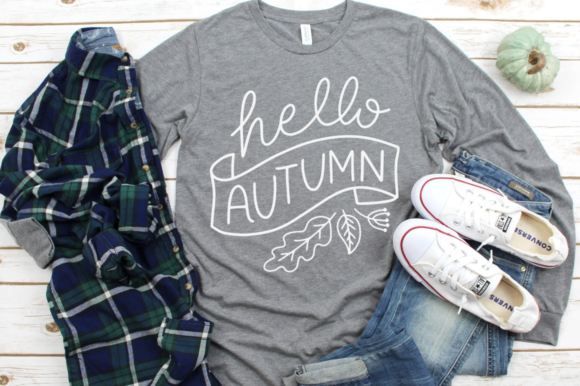
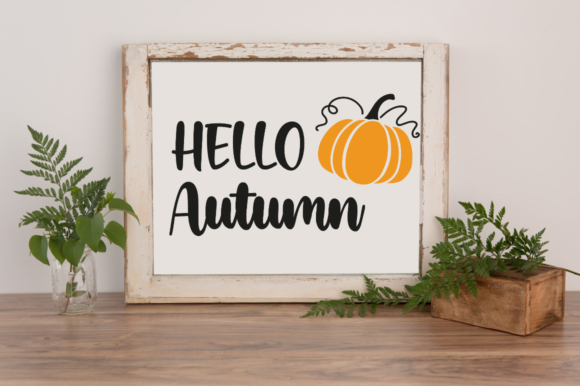
When you first load Hello Autumn Svg 1 into your digitizing software, the immediate takeaway is its strong seasonal identity. The typography carries a warm, inviting weight that feels less like a generic holiday stamp and more like a curated lifestyle brand element. For designers looking to create personalized gifts or custom apparel, this kind of clear, legible font work is gold. It does not rely on overly intricate flourishes that might get lost in the stitching process; instead, it leans on bold shapes and a friendly aesthetic that resonates with the cozy, nostalgic mood of the fall season.
The layout suggests versatility. Whether you are aiming for a minimalist look on a high-quality cotton tote bag or a statement piece on a heavyweight sweatshirt, the design has enough presence to stand alone without needing excessive embellishment. It strikes a balance between being decorative and being readable, which is often the hardest part of creating successful embroidery project assets. It feels professional, confident, and ready for commercial use, provided you pair it with the right fabric choices.
Real-World Application: From Digital File to Finished Product
I put Hello Autumn Svg 1 through several simulated scenarios to see how it translates from screen to fabric. The first test was a classic tote bag design. Using a natural canvas bag, the contrast was key. When stitched in a deep burgundy or mustard yellow thread, the design popped beautifully against the neutral background. It felt instantly marketable. For an Etsy seller or small shop product owner, this is exactly the kind of item that drives impulse buys during the autumn months. It is simple enough to produce quickly but polished enough to command a premium price point.
Next, I considered its potential for sweatshirt embroidery. Fall weather calls for comfort, and a well-placed chest logo or centered back print using this design could easily become a bestseller. The clean lines of the text mean it digitizes cleanly, reducing the risk of puckering if the underlying structure is sound. However, it also works wonderfully for smaller applications. Imagine a tiny, precise version on the cuff of a baby onesie or as part of a set of matching holiday embroidery kitchen towels. The scalability of the vector source allows for these variations, making it a valuable addition to any library of design assets.
For those selling digital products, this design is also a strong candidate for printable mockups. Its clear shape and thematic relevance make it easy to visualize in various settings, helping customers imagine the final result before they purchase. It bridges the gap between a raw digital embroidery file and a tangible, desirable object.
Where Caution Is Required
No design is perfect for every surface, and Hello Autumn Svg 1 is no exception. While it shines on stable, medium-weight fabrics, there are specific situations where you need to exercise caution. Attempting to stitch this on highly textured fabrics, such as heavy bouclé or rough burlap, may obscure the finer details of the lettering. The thread might not lay flat, leading to a muddy appearance rather than crisp definition.
Stretchy knits present another challenge. If you are working with thin jersey or loose-weave t-shirts, you must ensure you are using the correct stabilizer. Without proper support, the tension required to stitch the fill areas could distort the garment, causing the text to warp. Similarly, while the design is robust, placing it on curved surfaces like baseball caps requires careful hooping techniques. If the curve is too aggressive, the perspective distortion might make the text look uneven unless you account for it during the digitizing phase.
Another area to watch is small detail resolution. If you plan to reduce the size significantly for something like an embroidered patch or a delicate accessory, inspect the smallest curves and corners closely. In some cases, tight curves can merge together if the stitch length is too long or the density is too high. Always check the stitch density to ensure that the design remains legible at your intended output size.
Practical Designer Notes for Success
To get the most out of this embroidery file, follow these practical steps before committing to your final production run:
- Test on Scrap Fabric: Never assume a design will behave perfectly on your chosen material. Stitch it out on a scrap piece of the same fabric type to check for tension issues, thread breaks, or color clashes.
- Review Thread Color Contrast: The success of Hello Autumn Svg 1 relies heavily on contrast. Dark threads on dark fabric will disappear, while light threads on bright colors may lack depth. Use black and white mockups to verify visibility before buying expensive specialty threads.
- Confirm Hoop Size and Stability: Ensure your machine’s hoop size accommodates the design dimensions comfortably. A cramped hoop can lead to inaccurate stitching. Additionally, always use a cut-away stabilizer for woven fabrics and a tear-away for non-wovens, depending on the garment's stretch.
- Inspect Stitch Types: Pay attention to how the digitizer used satin stitches for outlines versus fill stitches for blocks. A mix of satin stitch, fill stitch, and running stitch can add texture, but too much variety in one small area can look cluttered. Simplify if necessary.
- Check Licensing for Commercial Use: Before listing any finished items on Etsy or selling them at craft fairs, double-check the license terms. Even if the product description mentions commercial use, verify if attribution is required or if there are limits on the number of units you can sell.
Final Verdict on Value and Appeal
In the crowded world of handmade goods, standing out requires more than just a cute idea; it requires execution quality. Hello Autumn Svg 1 offers a solid foundation for that execution. It is a versatile, visually appealing design that fits seamlessly into the current trends of cozy, rustic, and personalized fashion. It appeals to a broad audience, from parents looking for unique baby embroidery keepsakes to young adults seeking stylish craft business merchandise.
By treating this design with the respect it deserves—testing thoroughly, choosing appropriate materials, and understanding its limitations—you can transform a simple vector file into a high-value finished product. It is a reliable tool in your arsenal, capable of elevating your brand consistency and enhancing customer trust through professional-looking results. Whether you are a seasoned pro or just starting your journey as a creative entrepreneur, this design is worth considering for your upcoming autumn collections.