Happy Fall Svg 2 Embroidery Review
As a designer who spends more time than I care to admit staring at stitch lines and debating thread color palettes, I approach every new digital asset with a healthy dose of skepticism. The market is flooded with generic clipart masquerading as professional design files. That is why when I pulled Happy Fall Svg 2 from the pile of potential assets for my upcoming seasonal collection, I needed to know if it would hold up under the scrutiny of real-world application. This isn't just about how pretty the vector looks on a screen; it is about how it translates into a tangible, high-quality handmade product that a customer will actually want to wear or display.
First Impressions and Visual Personality
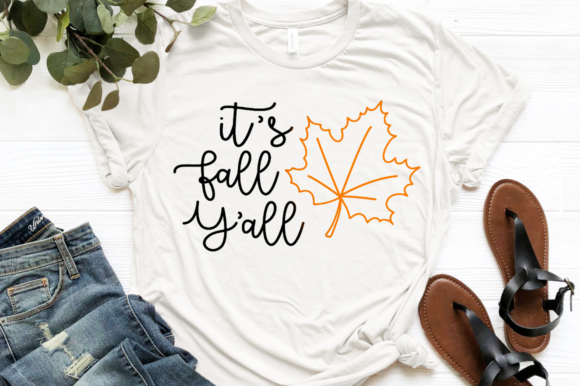
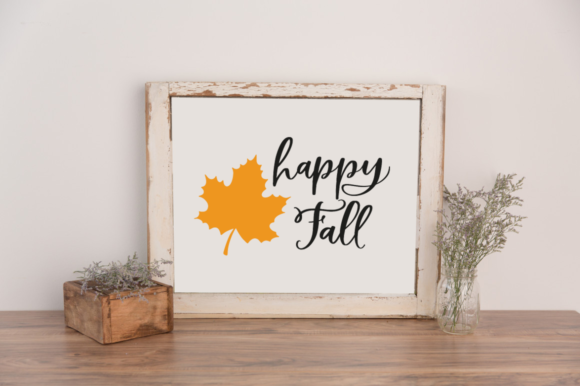
The moment you load this file into your digitizing software or preview it in a mockup tool, the mood is immediately established. It carries that specific warmth associated with late October and early November—the kind of feeling that makes people reach for their favorite oversized knit. Visually, the layout strikes a balance between playful and polished. It avoids the cluttered aesthetic that plagues many holiday-themed designs, opting instead for clean lines and a focal point that draws the eye without overwhelming the fabric.
For an embroidery project intended for commercial use, this visual clarity is crucial. When a customer sees a listing for a boutique sweatshirt or a personalized tote bag, they are looking for professionalism. Happy Fall Svg 2 delivers a design personality that feels intentional. It suggests autumnal cheer without being cliché. The shapes appear robust enough to handle the rigors of machine stitching, which is the first hurdle any machine embroidery design must clear. If the elements look too fragile or thin in the digital preview, they will likely pucker, break, or get lost in the final stitch-out. Here, the structural integrity seems sound.
Real-World Application: From Screen to Stitch
To truly evaluate this asset, I imagine it placed on various substrates. Let’s take a common scenario: preparing custom embroidered tote bags for a local craft fair. Tote bags are unforgiving. They move, they wrinkle, and the canvas texture can interfere with smooth stitches. Placing Happy Fall Svg 2 here requires confidence in the design's scale. Because the design has a distinct central focus, it anchors well on a large canvas surface. It doesn't get swallowed by the material.
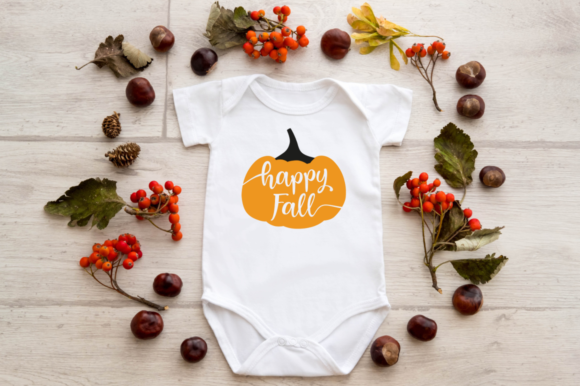
Now, consider a different use case: a small baby onesie or a nursery decor item. In these contexts, the design needs to be delicate but still legible. The fall theme lends itself beautifully to soft pastels or muted earth tones. When I visualize this on a cream-colored organic cotton onesie, the contrast provided by the design's negative space allows the thread colors to pop without looking harsh. This versatility is rare. Many graphics in the Crafts category are too bold for infants or too subtle for statement pieces. This one sits comfortably in the middle, making it a strong candidate for personalized gift markets where parents want something meaningful but not overpowering.
I also see potential in home goods. A pillow cover or a kitchen towel featuring this design could serve as a great entry-level product for an Etsy seller looking to expand beyond apparel. The horizontal or balanced nature of many fall quotes works exceptionally well on rectangular items like tea towels, where the text or graphic can span the width without distortion.
Where Caution Is Required
However, no design is perfect for every situation. There are specific scenarios where Happy Fall Svg 2 might require careful handling or even avoidance. For instance, attempting to stitch this on a curved surface like a baseball cap can be risky if the design lacks sufficient flexibility in its layout. Caps have complex curves, and rigid designs can create tension lines that distort the hoop area.
Similarly, textured fabrics such as heavy wools or bouclé knits can hide the finer details of any embroidery file. If Happy Fall Svg 2 contains tiny decorative accents or very fine lettering, those elements may disappear into the nap of the fabric. In such cases, I would advise scaling the design up slightly or choosing a smoother fabric background to ensure the stitch density remains visible and crisp.
Another critical consideration is fabric stretch. If you plan to embroider this onto a stretchy jersey knit t-shirt without using a proper tear-away or cut-away stabilizer, the design will likely shift during stitching. The visual appeal of a custom apparel item relies heavily on precision. A misaligned satin stitch around a leaf or letter can make a professional-looking garment appear amateurish. Always test on scrap fabric that matches the weight and stretch of your final material.
Technical Considerations for Designers
Before committing this design to production, several technical checks are non-negotiable. First, inspect the stitch density. While the visual description suggests a balanced layout, the actual stitch count determines how much backing shows through and how durable the finish will be. If the fill areas are too dense, the fabric may pucker excessively, especially on lighter materials. Conversely, if the density is too low, the fabric might show through the threads, reducing the vibrancy of the thread colors.
It is also wise to convert the design to black and white in your editing software. This helps you assess the balance of positive and negative space without the distraction of color. Does the design feel heavy on one side? Are there isolated islands of thread that might need additional anchoring stitches? These nuances are often invisible in full-color previews but become glaring issues once the needle starts moving.
Furthermore, consider the end-user experience. How will this finished product hold up after washing? Designs with long, unanchored running stitches or overly intricate corners are prone to snagging. For a commercial embroidery project meant for resale, durability is part of the value proposition. Customers expect their embroidered patches, aprons, and caps to withstand regular use. Ensuring that Happy Fall Svg 2 has adequate stitch paths to secure all elements will enhance customer trust and reduce returns due to quality issues.
Licensing and Commercial Use
One of the most frequent questions I receive involves licensing. The product description mentions "Commercial use Cut files," which is a significant selling point for small business owners and creative entrepreneurs. However, "cut files" and "embroidery designs" are not always interchangeable. A file suitable for a vinyl cutter (like a Cricut or Silhouette) does not automatically translate to a valid digital embroidery file (.dst, .pes, etc.).
If you intend to sell finished embroidered goods made from this design, you must verify that the license explicitly permits commercial use of the *stitched* output. Some licenses allow you to sell a limited number of physical items, while others restrict digital distribution entirely. Always read the fine print. Confusion here can lead to legal complications, which no amount of good design can fix. Assuming the license is clear, this design offers excellent value for creating craft business inventory, from holiday embroidery gifts to year-round fall shirt svg collections.
Final Verdict
Happy Fall Svg 2 emerges as a versatile, visually appealing asset that fits seamlessly into the workflow of a professional designer. It balances aesthetic charm with practical structural integrity, making it suitable for a wide range of applications—from sweatshirt embroidery to tote bag design. Its ability to convey a warm, seasonal mood without sacrificing clarity makes it a strong contender for apparel decorators and makers looking to add timely, high-quality items to their shops.
While it demands respect for fabric choice and stabilization techniques—particularly on tricky surfaces like caps or textured knits—it rewards careful execution with a polished, professional result. For anyone seeking to elevate their handmade product line with a design that feels both contemporary and timeless, this is a solid addition to your library of design assets. Just remember to test, stabilize, and verify your licensing before you start sewing.