Auntie Bear Review: A Designer’s Take on This Funny Embroidery Design
As a professional designer who spends half my life in the embroidery hoop and the other half trying to figure out how to make handmade products stand out in a saturated market, I have developed a pretty sharp eye for what works and what doesn’t. When I first came across the Auntie Bear Aunt Funny Auntie Bear design, I didn’t just see a cute graphic; I saw a potential bestseller waiting to happen, but also a few technical pitfalls that could ruin a client’s project if not handled correctly. Today, I want to walk you through exactly how this design performs in real-world scenarios, from the initial stitch-out to the final packaging of your finished product.
The First Impression: Mood and Visual Personality
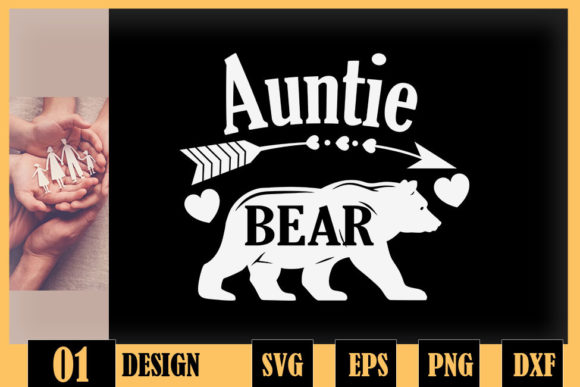
Let’s talk about the vibe. The Auntie Bear Aunt Funny Auntie Bear file carries a distinct sense of warmth mixed with humor. It isn’t just another generic bear silhouette; it has a specific personality that screams "gift-worthy." For designers, understanding the emotional hook of a design is just as important as its technical composition. This piece feels like it belongs in the realm of personalized gifts, particularly for family-oriented occasions. It evokes nostalgia without being overly sentimental, which makes it versatile enough for various demographics.
Visually, the layout suggests a balance between character focus and readability. If you are planning to use this as an applique design or a dense fill stitch piece, the shape needs to hold up under tension. From a pure aesthetic standpoint, the theme fits seamlessly into the current trend of cozy, cottage-core, or rustic-chic aesthetics that dominate platforms like Etsy and Pinterest. It’s the kind of design that makes a customer pause while scrolling because it feels personal, not mass-produced.
Real-World Application: Where Does It Shine?
I don’t believe in designs that only look good on a screen. So, let’s imagine we are prepping this for actual production. Here is where Auntie Bear Aunt Funny Auntie Bear truly excels:
- Custom Apparel and Sweatshirts: This design has the right amount of visual weight to sit comfortably on the chest of a crewneck sweatshirt or the back of a hoodie. It reads well from a distance, which is crucial for custom apparel meant to be worn out and about. The humor in the title pairs perfectly with casual wear, making it a strong candidate for holiday gifts or birthday presents for aunties who appreciate a laugh.
- Tote Bags and Canvas Items: As a tote bag design, this offers a great opportunity for contrast. Whether stitched onto a natural canvas tote or a dark-colored fabric bag, the character stands out. It transforms a simple utility item into a statement piece, increasing the perceived value of your handmade product.
- Baby and Nursery Decor: While the text might be slightly mature for a newborn, the bear motif is timeless. Used on a baby blanket, a nursery pillow cover, or a onesie for a toddler, it bridges the gap between cute and clever. It serves as a perfect personalized gift for a baby shower, especially when customized with the recipient's name alongside the bear.
- Kitchen and Home Goods: Don’t overlook tea towels or aprons. An embroidered embroidered patch style application on a kitchen apron adds a touch of whimsy to daily chores. It’s functional art that customers love to display, enhancing brand consistency for small shops selling home goods.
Technical Considerations and Potential Pitfalls
Here is where the rubber meets the road. Not every design translates perfectly to every fabric. When working with Auntie Bear Aunt Funny Auntie Bear, you need to be mindful of several technical factors to ensure a professional finish.
First, consider the stitch density. If the design includes large areas of solid fill, you must ensure your stabilizer matches the fabric weight. On thin fabrics or stretchy knits, a heavy density can cause puckering, ruining the clean lines of the bear’s outline. Always test on scrap fabric first. If you are using this as a digital asset for printable mockups, remember that high-density stitches may lose definition in low-resolution previews, so adjust your rendering settings accordingly.
Second, think about placement on curved surfaces. If you plan to embroider this on a cap or a hat, the curvature can distort the aspect ratio of the design. You may need to adjust the scaling or choose a flatter surface like a baseball cap front panel to maintain the integrity of the image. Similarly, avoid placing dense details on textured fabrics like bouclé or thick fleece, as the needle penetration can become inconsistent, leading to skipped stitches.
Third, color contrast is key. The success of any machine embroidery design relies heavily on the relationship between thread colors and fabric. If you are using light threads on a dark background, ensure the underlay is sufficient to prevent show-through. Conversely, dark threads on black fabric will disappear entirely. Use proper thread colors that pop against your chosen material to maintain visual appeal and clarity.
Practical Designer Notes for Execution
To get the most out of this file, follow these practical steps before committing to your final project:
- Test Stitch-Outs: Never skip this step. Run the design on the exact fabric and stabilizer combination you intend to use. Check for alignment issues, thread breaks, or tension problems.
- Inspect Small Details: Zoom in on the digital file. Are there tiny elements that might get lost in stitching? If the design includes fine text or intricate patterns, ensure your machine can handle the resolution. If details are too small, consider simplifying the design or adjusting the scale.
- Black and White Mockups: Convert the design to grayscale to check contrast levels. This helps identify areas that might blend together during stitching, ensuring that the shape remains distinct even without color variation.
- Stabilizer Selection: Match your stabilizer to the fabric. Cut-away stabilizers are generally safer for garments that will undergo frequent washing, while tear-away might suffice for one-time use items like party decorations.
Commercial Viability and Branding
For Etsy sellers and small shop owners, the question always comes down to ROI and customer trust. Designs that evoke emotion tend to convert better. Auntie Bear Aunt Funny Auntie Bear taps into the gifting market, which is evergreen. Customers are looking for unique, heartfelt items they can’t find at big-box stores. By offering this design on high-quality blanks—like premium sweatshirts or organic cotton totes—you elevate the perceived value of your craft business.
However, always confirm licensing terms before selling finished items. Ensure you have the commercial rights to use the digital embroidery file for merchandise. Transparency builds trust; if your customers know your products are ethically sourced and legally produced, they are more likely to return. Additionally, creating design assets like lifestyle photos showing the design on real people can significantly boost engagement on social media platforms.
Final Verdict
In conclusion, Auntie Bear Aunt Funny Auntie Bear is a solid addition to any embroidery designer’s library. It balances charm, humor, and versatility, making it suitable for a wide range of embroidery projects. From holiday embroidery collections to year-round commercial embroidery offerings, this design has the potential to drive sales and delight customers. Just remember to respect the technical limitations of your materials and machines. With careful execution, this file can help you create memorable finished products that stand out in the crowded world of handmade crafts.