Review: Cat Daddy Vintage Retro Black Cats Dad
As a designer who spends more time staring at stitch density charts and fabric swatches than actually sleeping, I have learned to be skeptical of any design that promises too much. When I first pulled up Cat Daddy Vintage Retro Black Cats Dad, my immediate reaction was one of cautious optimism. It sits squarely in the crowded niche of novelty dad gifts and cat lover merchandise, which is a double-edged sword. On one hand, the market demand is undeniable; on the other, the shelf space is saturated with low-effort clip art. The question isn't just whether this design looks cute—it’s whether it holds up under the needle, whether it translates well across different mediums, and whether it will actually sell as a premium handmade product rather than a cheap impulse buy.
First Impressions and Visual Personality
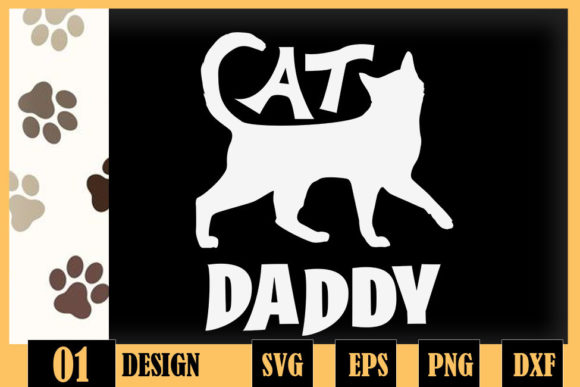
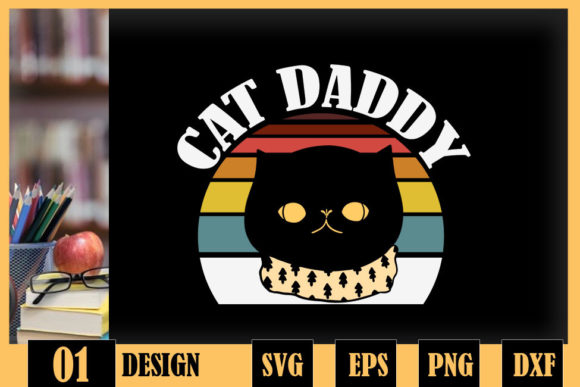
The moment you load the file into your digitizing software or preview it in Silhouette Studio or Cricut Design Space, the vintage aesthetic jumps out. The "retro" tag isn't just a buzzword here; the layout suggests a mid-century graphic style that feels nostalgic without being cluttered. For an embroidery project, simplicity is often the hardest thing to achieve because every line must be translated into thread. This design seems to navigate that balance well, offering enough personality to stand out but avoiding the trap of over-stitching that leads to puckering.
The mood it creates is warm, slightly humorous, and deeply personal. It doesn't feel like generic corporate art; it feels like something a maker would create for their brother, their partner, or their own father. This emotional resonance is critical for personalized gift markets. When a customer buys a custom apparel item, they aren't just buying cotton and thread; they are buying a sentiment. This design delivers that sentiment through its playful theme while maintaining a level of sophistication that prevents it from looking childish. It strikes that sweet spot between a fun gag gift and a legitimate piece of wearable art.
Real-World Application: From Screen to Stitch
I recently evaluated this design with a specific end-use in mind: a batch of embroidered tote bags for a local craft fair. Tote bags are a staple for the modern Etsy seller or small shop product owner, but they present unique challenges. The canvas texture can eat away at fine details, and the bag handles create awkward negative space. Placing Cat Daddy Vintage Retro Black Cats Dad centered on the front of a heavy-duty canvas tote felt right. The bold lines of the retro style translate beautifully onto the coarse weave, ensuring that the black cats remain distinct and legible even from a distance.
However, the versatility of this machine embroidery design extends far beyond totes. I also visualized it on a heavyweight sweatshirt for a holiday collection. In this context, the design acts as a statement piece. The contrast between the dark thread and the heather grey or navy fabric creates a professional finish that elevates the garment from basic to boutique. Similarly, for a baby embroidery project, such as a onesie or a burp cloth, the softness of the retro curves makes it approachable. It works as a holiday embroidery gift because it bridges the gap between seasonal cheer and year-round appeal. A father might not wear a Santa hat in July, but he might happily wear a shirt featuring his love for cats and his role as a dad.
For digital creators, this digital embroidery file offers excellent potential for printable mockups. Because the design has strong visual hierarchy, it photographs well against various backgrounds. Whether you are showcasing it on a tote bag design mockup or a sweatshirt embroidery preview, the image retains its integrity. This is crucial for craft business owners who rely on high-quality visuals to drive sales on social media platforms like Instagram and Pinterest.
Where to Exercise Caution
No design is perfect, and Cat Daddy Vintage Retro Black Cats Dad is no exception. There are specific scenarios where this file might struggle. If you plan to use this for an embroidered patch intended for frequent washing, you need to scrutinize the stitch density. Small details, particularly around the eyes or whiskers of the cats, can become muddy if the stitch count is too high for the fabric weight. Always test the design on scrap fabric first to ensure that the fine lines don't bleed into each other during the stitching process.
Furthermore, avoid placing this design on highly textured fabrics like chunky knits or bouclé unless you are using a substantial stabilizer. The irregular surface can cause hoop slippage or uneven tension, ruining the clean lines that make the retro style work. Stretchy fabrics, such as thin jersey tees, require careful hooping and potentially a cut-away stabilizer to prevent distortion. If the design warps, the symmetry of the retro layout will look off, undermining the professional appearance you are trying to achieve.
Another area of concern is small hoop sizes. While the design may scale down, shrinking it below two inches can result in lost detail. The text elements, if present, must remain large enough to be read. Tiny lettering on a cap or a pillow cover can become illegible after stitching. If you are targeting the apparel decorator market, ensure that the final stitched size allows for clear visibility. A blurry logo or character face reduces customer trust and increases the likelihood of returns due to dissatisfaction with quality.
Technical Considerations for the Designer
Before committing to production runs, there are several technical checks every designer should perform. First, inspect the stabilizer choice. For dense areas, a tear-away might suffice, but for delicate fabrics, a wash-away or cut-away might be necessary to maintain stability without damaging the material. Second, review the thread colors. The default colorway provided in the file might not match your inventory. Adjusting the thread palette to complement your brand’s signature colors can enhance the brand consistency of your finished products.
It is also wise to convert the design to black and white in your editing software to check for contrast issues. Sometimes, subtle shading that looks good on screen disappears when stitched in monochrome. If the design relies on color variation to define shapes, you may need to adjust the stitch types—switching from a light fill stitch to a denser satin stitch—to ensure definition. Additionally, confirm the licensing terms. As a commercial embroidery asset, you need to know if you are permitted to sell finished items made with this design. Some files are restricted to personal use only, which would limit your ability to list them on Etsy listings or in your physical store.
Final Verdict on Value and Appeal
Ultimately, Cat Daddy Vintage Retro Black Cats Dad succeeds because it understands its audience. It appeals to the creative entrepreneur who wants to offer something relatable and stylish. It provides a solid foundation for a variety of handmade product categories, from kitchen towels to nursery decor. The design’s strength lies in its clarity and charm, which translates well to the tactile nature of embroidery.
For the small business owner, this file represents a low-risk, high-reward addition to your catalog. It requires minimal marketing effort because the subject matter speaks for itself. However, success depends on execution. By paying attention to fabric selection, stabilizer usage, and final finishing, you can transform this digital asset into a tangible finished product that customers will cherish. It is not just a design; it is a tool for building a brand that values humor, nostalgia, and craftsmanship. If you are looking to expand your range of design assets with something that balances trendiness with timeless appeal, this design earns a place in your library.