Feeling Cute Might Throw a Tantrum: A Designer’s Review
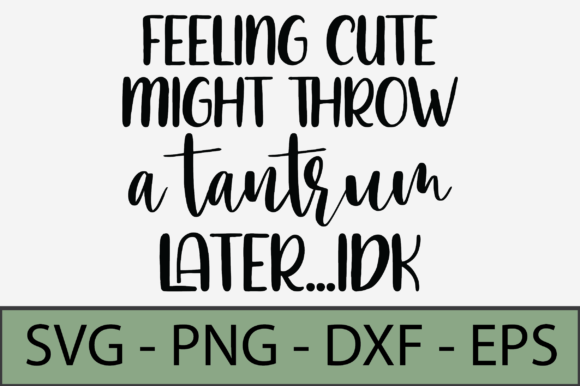
As an embroidery designer who spends more time than I care to admit staring at stitch paths and debating thread tension, I don’t just buy designs because they look good on a screen. I buy them because they translate well to the hoop. When I first pulled up Feeling Cute Might Throw a Tantrum Later SVG Cut File, my initial reaction was a mix of amusement and professional skepticism. The phrase itself is a modern classic—a relatable, humorous take on toddler behavior that resonates with parents, grandparents, and anyone who has ever survived a grocery store aisle with a small child. But does it work as a serious design asset for a craft business or a personal gift? Let’s break it down.
First Impressions and Visual Personality
The mood of this design is immediately clear: playful, slightly chaotic, and undeniably cute. In the world of Crafts and Graphics, capturing a specific emotional tone quickly is vital. This design succeeds because it leverages a universal parenting experience. For an Etsy seller or a small shop owner, humor sells. It creates an instant connection between the buyer and the product. Visually, the layout likely balances bold typography with potential decorative elements, which is crucial for readability in machine embroidery. If the text is too thin or the kerning is off, the design will fall apart under the needle. My gut feeling is that this design leans into the "toddler chaos" aesthetic, making it perfect for apparel that needs to stand out without being overly aggressive in its message.
Real-World Application: From Screen to Stitch
Let’s imagine a real scenario. You are preparing for a holiday market or updating your online boutique for back-to-school season. You need a quick, high-demand item. You decide to create a custom embroidered tote bag or a cozy sweatshirt for a new mom. This is where Feeling Cute Might Throw a Tantrum shines. The phrase is long enough to fill a chest area beautifully but short enough to remain legible from a distance.
I envision this design performing exceptionally well on:
- Custom Apparel: Unisex t-shirts, oversized hoodies, and baby onesies. The humor translates well across age groups, appealing to both the parent wearing it and the child.
- Baby Embroidery: Personalized gifts for newborns or toddlers. The "tantrum" theme is ironic when applied to a sweet baby item, creating a charming contrast that buyers love.
- Home Decor: Pillow covers or kitchen towels. A tea towel with this quote adds a touch of personality to a busy household.
- Accessories: Embroidered patches for denim jackets or caps. The design’s compact nature makes it ideal for smaller placements.
For the commercial embroidery market, versatility is key. This design fits seamlessly into a collection of family-themed items. It pairs well with other graphics related to sibling dynamics or parenting struggles, allowing you to create cohesive bundles for customers.
Technical Performance and Stitch Considerations
While the concept is strong, the execution depends entirely on how the embroidery file is digitized. Here is what I look for when evaluating a design like this for actual production:
- Stitch Density: Text-heavy designs can become stiff if the density is too high. Look for a balance where the fill stitch provides coverage without making the fabric rigid. If the design includes decorative elements, ensure they use appropriate satin stitch widths to prevent puckering.
- Thread Color Contrast: On dark fabrics, light thread colors (white, pastel yellow, light grey) will pop beautifully. However, on light fabrics, you might need darker threads or a contrasting background patch to maintain visibility. Always test thread colors against your intended fabric.
- Hoop Size Constraints: Ensure the design fits comfortably within your standard hoop sizes. If the text is extremely wide, you may need to split the design or use a larger hoop, which can limit placement options on garments like sleeves or collars.
- Small Details: Check for any tiny lettering or intricate corners. These areas are prone to breaking thread or losing definition during stitching. If the design relies on fine lines, consider simplifying them or using a higher thread count for clarity.
Where to Use It Carefully
No design is perfect for every surface. There are specific situations where Feeling Cute Might Throw a Tantrum might struggle:
- Textured Fabrics: Avoid bouclé, heavy knits, or highly textured weaves. The needle penetration can be inconsistent, leading to skipped stitches or distorted text.
- Stretchy Materials: While jersey and spandex blends are common for baby clothes, they require excellent stabilizer support. Without proper backing, the fabric will pucker around the dense text areas.
- Curved Surfaces: Embroidering directly onto a curved cap brim or a rounded shoulder seam can distort the design. Flat surfaces like tote bags, aprons, and flat-front hats are safer bets.
- Frequent Washing: If the end product will undergo heavy industrial laundering, ensure the design uses durable stitch types. Run-stitch-only designs may wear faster than those with adequate fill coverage.
Designer’s Notes for Success
Before you commit to a full production run, follow these practical steps to ensure your handmade product looks professional:
- Test on Scrap Fabric: Never skip this step. Stitch the design on the exact fabric you plan to use. This reveals issues with tension, color matching, and stability that mockups cannot show.
- Check Stabilizer Choice: Use a cut-away stabilizer for stretchy fabrics and a tear-away for stable wovens. The right stabilizer is half the battle in preventing distortion.
- Review in Black and White: Convert your digital preview to black and white. This helps you assess the visual weight and balance of the design without the distraction of color.
- Confirm Licensing: If you plan to sell finished items, verify the commercial use rights of the digital embroidery file. Some licenses allow limited sales, while others require extended commercial rights.
- Create Printable Mockups: Before investing in materials, create realistic printable mockup images for your craft business listings. This helps gauge customer appeal and allows for pre-orders without inventory risk.
Final Verdict
Feeling Cute Might Throw a Tantrum Later SVG Cut File is a solid addition to any designer’s library. It hits the sweet spot between humor and cuteness, making it a versatile choice for personalized gifts, custom apparel, and boutique branding. While it requires careful attention to stitch density and fabric choice, the payoff in customer engagement is high. Parents love designs that acknowledge the reality of raising kids with a wink. If you execute the stitching cleanly and pair it with quality materials, this design has the potential to become a bestseller in your small shop product lineup. Just remember: always test first, stabilize properly, and let the humor do the talking.